
Personalized ADHD treatment ends with the right dose

Find the Right Once-Daily ADHD Medication to Balance Symptom Control and Tolerability
Review some of our patient scenarios below. They may reflect common challenges with ADHD symptom control or ADHD medication side effects.
See if RELEXXII is right for you or someone you care for
Not actual patient cases. Individual results may vary.
Andrew, 11
5th Grader

Andrew's days at school were
becoming more challenging due
to his ADHD. He had trouble
sitting still in class, and homework often felt like a struggle at the end of the day.
His doctor increased his dose of methylphenidate HCl extended-release to improve ADHD symptom control, but the increased dose still wasn't enough. There were concerns about increasing it further because of possible side effects, like trouble sleeping.
How RELEXXII Solved the Dose Gap

Andrew, 11
5th Grader
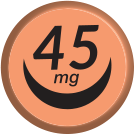
Looking for symptom relief without unwanted side effects, his doctor switched him, with a smaller dose adjustment, to once-daily RELEXXII 45 mg.
Andrew’s parents noticed a difference—less restlessness and better focus during homework time. They and his doctor, continue to watch for possible methylphenidate HCl side effects like slower growth in height and weight or an upset stomach.
Olivia, 17
12th Grader

As the demands of senior year
increased, Olivia found it harder
to keep up. Staying focused on
schoolwork while also managing the college application process became difficult.
She had been taking a commonly prescribed methylphenidate extended-release, and her doctor increased the dose to help manage her symptoms. While the dose increase helped with focus, her mom noticed a decrease in her appetite.
How RELEXXII Solved the Dose Gap

Olivia, 17
12th Grader
Looking for a dose that worked for her symptoms without affecting her appetite as much, her doctor adjusted her treatment to RELEXXII 45 mg, a once-daily ADHD medication option available in smaller dose adjustments.
Olivia’s appetite improved while her focus remained steady. She and her mom are in close touch with her doctor while keeping an eye out for common methylphenidate HCl side effects like trouble sleeping or stomach pain.
Ellie, 28
Paralegal

As Ellie took on a more detail-
intensive role at work, her difficulty
staying focused became worse.
Tasks that once felt manageable started to feel overwhelming, and she found herself struggling to keep up.
After being diagnosed with ADHD, her psychiatrist started her on a once-daily methylphenidate HCl and gradually increased her ADHD medication dose over time. While her focus improved, the higher dose made her feel anxious.
How RELEXXII Solved the Dose Gap

Ellie, 28
Paralegal
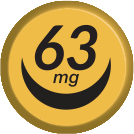
Looking for a way to better balance focus and tolerability, her psychiatrist had her try a small dose adjustment down to once-daily RELEXXII 63 mg.
Ellie was able to maintain her focus at work without the same level of anxiety. She continues to check in with her doctor about how her treatment is working while he asks her about common methylphenidate HCl side effects such as feeling restless or changes in appetite.
Eric, 34
Assembly Line Operator

Eric was diagnosed with ADHD
in middle school but had been
managing without medication for
several years. As the demands of his job increased, keeping up with detailed, repetitive tasks became harder.
After reconnecting with his doctor, Eric decided to try medication again, and his ADHD medication dose was gradually increased to better manage his symptoms. Although the higher dose worked well, Eric had to take more than one pill each day.
How RELEXXII Solved the Dose Gap

Eric, 34
Assembly Line Operator
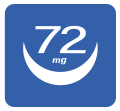
To simplify his routine, his doctor switched him to RELEXXII 72 mg, a once-daily tablet option.
Eric was able to keep up with the detailed, repetitive tasks his job requires with a convenient, single-tablet routine. He remains in contact with his doctor, who monitors him for common methylphenidate HCl side effects like high blood pressure and headaches.
All individuals depicted are models used for illustrative purposes only.
ADHD=attention deficit hyperactivity disorder